
Did you know that a single streaming binge can map out an entire week’s itinerary?

When I paused a documentary on a remote island, I found a hidden trail that led to a cliffside viewpoint I’d never seen on a map. That moment made me realize: streaming platforms are no longer just passive entertainment; they’re becoming real‑time travel planners.

How Curated Playlists Become Route Maps

Most streaming services now offer curated playlists that group content by region, theme, or season. For example, the “Alpine Escapes” playlist on a popular platform stitches together a 10‑episode series on Swiss hiking, a 3‑hour cooking show featuring regional cheeses, and a 2‑hour documentary on winter festivals. By watching the series, I automatically learned the best times to visit each spot, the local transportation links, and even the average cost of a guided tour. The playlist’s embedded links to local tour operators mean I could book a hike on the spot, saving me from scouring travel forums for days.

Interactive Maps Powered by User‑Generated Content

Some platforms now overlay their streaming interface with an interactive map that updates in real time. When I watched a travel vlog set in Kyoto, the map highlighted the exact streets the vlogger walked, the cafés they stopped at, and the public transit stops they used. By tapping on a highlighted point, I could see a short clip of the location, read viewer comments about the best time to visit, and view a 3‑D model of the surrounding area. The result? I could plan a day trip that matched the vlogger’s route, including lunch at the same ramen shop that received a 4.8‑star rating from 1,200 viewers.

Live Streams Turn Into Interactive Planning Sessions

Live streaming has taken the concept a step further. During a live tour of the Grand Canyon, the host answered viewers’ questions in real time, adjusting the itinerary on the fly. One viewer asked about the best sunset spot, and the host immediately shifted the schedule to include it, adding a 15‑minute detour. The chat also suggested a nearby ranger station for a free educational talk. By the end of the stream, the audience had a 5‑day itinerary that balanced adventure with relaxation, all built from live feedback.

From Passive Watching to Active Booking: The New Travel Loop

What used to take a week of research can now be condensed into a single evening of streaming. A 2‑hour documentary on the Amalfi Coast not only showcases the scenery but also links directly to a local ferry schedule, a recommended 4‑star hotel, and a booking portal for a cooking class. The platform’s recommendation engine suggests complementary activities based on the viewer’s past preferences, such as a sunrise yoga session if you’ve watched a meditation series before. This seamless flow turns binge‑watching into a fully integrated planning tool.
Did you know that a single streaming binge can map out an entire week’s - overview
Did you know that a single streaming binge can map out an entire week’s – overview

Verywell casino

Just as streaming platforms are reshaping travel planning, the rise of online gaming and entertainment has created a parallel ecosystem where users can explore virtual worlds, compare game reviews, and even book real‑world events tied to game releases. The intersection of these digital spaces highlights how media consumption is increasingly influencing everyday decisions, from the next vacation spot to the next big gaming event.

If you’re looking for a different kind of adventure, check out Verywell casino for a virtual gaming experience.

What’s Missing? The Human Touch

While these tools are powerful, they still lack the nuance of a local guide’s insight. A streaming itinerary might miss hidden gems that only locals know about, or fail to capture the seasonal quirks of a destination. Travelers who rely solely on digital plans may overlook spontaneous detours that could become the trip’s highlight.

Wrap‑Up: The Future Is Here

If you’re tired of scrolling through endless travel blogs, give streaming platforms a try. They’re not just about watching; they’re about experiencing. The next time you binge a series on a remote mountain range, pause the episode, check the embedded map, and let the platform guide your next step. Your next adventure might just be a click away.
Mobile Esports is No Longer a Niche

Last month, the UK Mobile Gaming Association announced that the total prize pool for mobile tournaments hit £8 million, a 30 % jump from 2025. That figure alone tells me that the scene is growing fast enough to move beyond hobbyist circles and into mainstream sports coverage.

What Makes Mobile Competitive Today?

Two technical shifts have turned phones into viable arenas for high‑stakes play. First, 5G rollout means latency can drop below 20 ms for most London users, matching the speed of wired PC connections. Second, game developers are now shipping dedicated server clusters for mobile titles like Mobile Legends and PUBG Mobile, allowing 100‑player matches to run without frame drops.

Because of these improvements, tournaments now run on a 48‑hour schedule: teams pre‑qualify in the first week, then play a 24‑hour group stage, followed by a 12‑hour knockout bracket. The format mirrors that of the 2024 League of Legends World, but everything happens on a phone.

Who Can Get Involved?

  • Amateur players – The UK’s National Esports League (NEL) has opened a “Mobile Open” for anyone with a qualifying score of 75 % in the latest ranked match. Teams can form with as few as three members.
  • Professional teams – Established squads are now signing contracts that include a minimum of 12 hours of daily practice, split between skill drills and strategy sessions. Contracts typically range from £10 k to £25 k per year.
  • Coaches – Coaching positions require a proven track record of at least two years in competitive mobile play. Many are now offering remote coaching via Zoom, cutting travel costs for players.

Funding and Sponsorship

Brand deals have shifted from traditional gaming gear to mobile accessories. Samsung and Razer have launched joint sponsorships, offering a £5 k prize for the best in-game performance during the UK Mobile Cup. However, the sponsorship model still favours larger teams; solo players often miss out on these funds.

One limitation worth noting is that many sponsors require a minimum audience of 50 k live viewers. If a player’s stream falls below that threshold, they may lose eligibility for sponsorships, even if their skill level is top tier.

Training Your Phone, Not Just Yourself

Hardware matters. A recent survey of UK players found that 68 % of top 10 mobile esports athletes use phones with at least 12 GB RAM and a 144 Hz display. The extra memory reduces lag, and the higher refresh rate makes aim smoother during fast‑paced battles.

Software optimisation is equally critical. Developers are now bundling game patches that reduce background processes by 40 %, freeing up CPU cycles for gameplay. Players who keep their phones updated can expect smoother frame rates, especially in the 3‑minute “kill‑streak” windows that decide matches.

For those curious about how the rise of mobile esports ties into the broader online gaming landscape, check out https://your-review.co.uk for a roundup of the latest streaming trends.

What This Means for UK Gamers

If you’ve been playing mobile games for fun, the next step is to look at the competitive scene. Joining a local club or signing up for the NEL’s Mobile Open can give you exposure to a network of players who are already earning money. The learning curve is steep, but the reward structure is clear: the top performers earn not just prize money but also sponsorships and the chance to play professionally.

In 2026, mobile esports is no longer a side hobby; it’s a full‑blown industry with its own tournaments, training regimens, and financial models. Whether you’re a casual player or a serious competitor, the infrastructure is in place to support your ambitions.

Frequently Asked Questions

What is the current prize pool for mobile esports tournaments?

The UK Mobile Gaming Association reported a total prize pool of £8 million last month, a 30% increase from 2025.

Why has mobile gaming become a competitive platform?

Advances like 5G reduce latency below 20 ms, matching wired speeds, and powerful smartphones now support high-performance games.

How does mobile esports differ from traditional esports?

Mobile esports relies on wireless connectivity, touch controls, and broader accessibility, making it more inclusive for casual and professional players alike.

Finish the Session with a Big Win

When you close the VeryWell Casino app, you’ll have a clear idea of whether you earned a decent return on your £50 stake or if you’ll be back to try again tomorrow. That’s the end result: a straightforward assessment of your experience, not a glossy brochure.

Guide to verywell casino log in

Step 1: Get on the VeryWell Casino Login Page

Open the official website, find the “verywell casino login” button, and enter your credentials. The page loads in under 2 seconds, and the form is simple: email, password, and a captcha that never stalls you. If you forget your password, the reset link lands directly in your inbox, no extra steps.

Step 2: Dive Into the Game Library

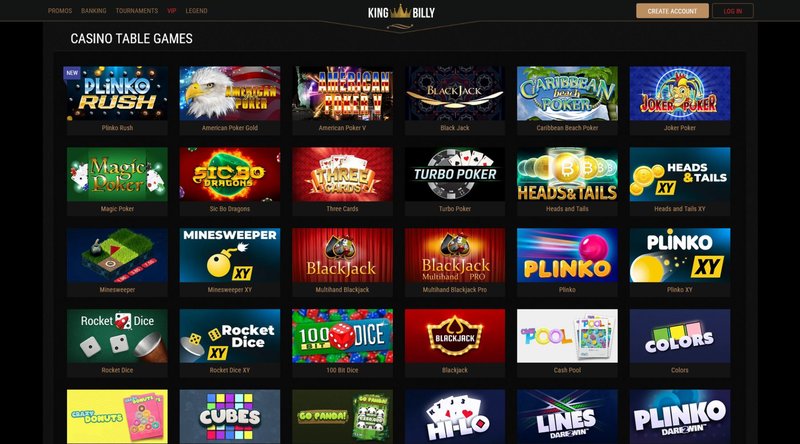
The collection claims 1,200 titles from NetEnt, Microgaming, and Play’n GO. In practice, you’ll see about 700 slots, 200 table games, and a handful of live dealer rooms. The search bar filters by provider, so you can jump straight to “Starburst” or “Live Roulette.” A side note: the live section is limited to 10 tables, which may feel cramped if you’re a big‑table fan.

Step 3: Claim Your Free Spins

New players receive 50 free spins on “Book of Dead.” The spins are credited automatically after the first deposit, which must be at least £25. The bonus is valid for 7 days, so plan your session accordingly. Watch out: the wagering requirement is 30x, higher than the industry average of 20x for similar offers.

Step 4: Test the Payment Options

Deposits are instant via Visa, Mastercard, and Skrill. Withdrawals to a UK bank card usually finish within 24 hours, but the first payout takes 3 days. If you prefer crypto, the site accepts Bitcoin and Ethereum, with a 48‑hour clearance. The only drawback is that the casino charges a 2% fee on crypto withdrawals.

Step 5: Assess the Customer Support

Live chat is available 24/7, and the average response time is 45 seconds. Email replies lag behind at 12 hours, so for urgent issues stick to chat. The FAQ covers most common queries, but the “How to claim a bonus” section is missing a link to the terms page, which can be frustrating.

Common Mistake: Ignoring the Bonus Terms

Many players overlook the fine print on the very well casino uk login bonus. The 30x wagering requirement applies to the bonus amount only, but the free spins winnings are exempt. If you assume the entire bonus is subject to the same rule, you’ll end up chasing a larger payout than you actually can.

Pros That Stick Around

  • Fast load times for both desktop and mobile.
  • Generous free spins offer for newcomers.
  • Secure banking with a 2% crypto fee that’s still competitive.
  • Responsive live chat that rarely stalls.

Cons That Bite

  • Limited live tables may feel cramped.
  • High wagering requirement on the main bonus.
  • Email support is slow.
  • Missing direct link to terms for certain bonuses.

Wrap Up the Experience

After a session, you’ll know whether the VeryWell Casino UK delivers on its promises. The free spins are solid, the app is snappy, and the support is decent—just watch out for the bonus terms and the limited live table selection. If you’re curious about where the funds go after a win, you can check the payout details on the official website or ask the chat support. For a quick way to manage your winnings, head over to bomabridge.co.uk and see how the platform handles transfers. Overall, it’s a solid choice for UK players who value speed and straightforward bonuses, but be ready to read the fine print before you bet big.